Innovative Stage Technology for Live Shows: The 2026 Production Landscape
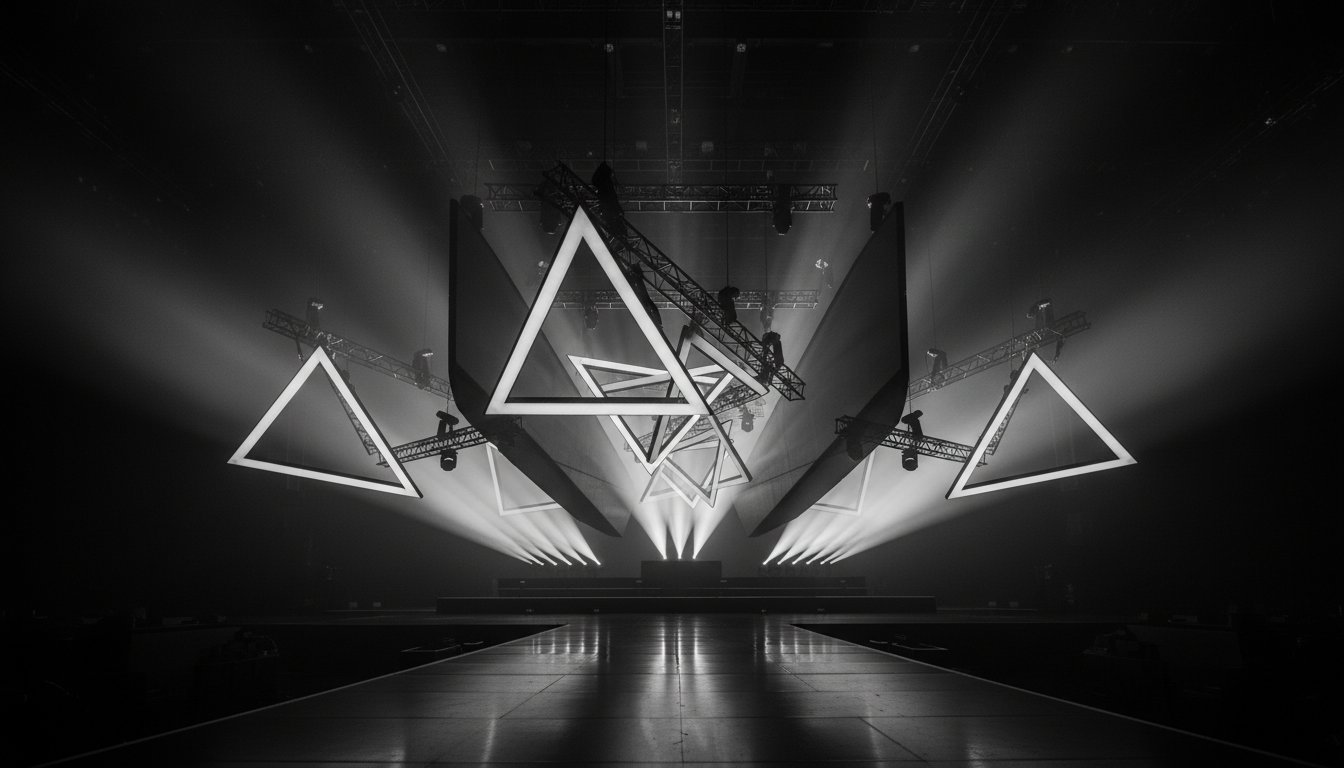
In 2026, the success of a global tour no longer rests on the inventory of a rental house. It relies on the invisible precision of its software. Delivering innovative stage technology for live shows at an elite level requires more than just high-spec gear; it demands a seamless integration of automation that serves the narrative without risk. We recognise the pressure of balancing a multi-million-pound creative vision with the uncompromising logistics of global touring. A single technical failure in a high-profile environment isn't just an inconvenience. It's a reputation at stake.
You're right to expect that technology should remain at the centre of the craft without overshadowing the artist. This article promises to show you how advancements in stage automation and immersive tech are redefining the scale of global live entertainment. We'll examine the 2026 production landscape, from the impact of Unreal Engine 5.7 to the new ANSI E1.56 rigging standards. You'll gain the insight needed to select tech that delivers results across London, Los Angeles, and the rest of the world with absolute composure.
Key Takeaways
• Transition from passive backdrops to active, responsive environments using kinetic architecture and multi-axis automation.
• Discover how XR and virtual production create infinite stage depth whilst maintaining the intimacy of a live performance.
• Master the logistics of ruggedising innovative stage technology for live shows to ensure flawless execution across international borders.
• Understand the producer's role in balancing creative ambition with the financial management of high-profile global productions.
• Learn to select technical solutions that enhance the narrative rather than distracting from the artist’s presence on stage.
Beyond the LED Wall: The New Era of Innovative Stage Technology
The definition of innovative stage technology for live shows has undergone a fundamental shift. It's no longer simply a collection of equipment listed on a rider. Instead, it represents the precise convergence of mechanical engineering, digital content, and real-time data. We've moved beyond the era of passive backdrops. Today, we deliver active, responsive environments that centre the audience experience at every moment. This evolution in modern stagecraft requires a level of technical precision that remains invisible to the viewer. The goal is to enhance the narrative without allowing the machinery to become a distraction. With our operations anchored in London and Los Angeles, we sit at the dual epicentres of this development, ensuring high-profile productions meet the highest global standards.
High-stakes productions require a seasoned "fixer" mentality. It's about more than just creative flair; it's about the tangible execution of complex logistics. We prioritise technology that serves a specific purpose. If a piece of tech doesn't advance the story or deepen the audience's connection to the artist, it doesn't belong on the stage. This philosophy allows us to manage multi-million-pound global tours with absolute composure, ensuring that the technology delivers on its promise every night.
The Shift from Spectacle to Storytelling
Technology must always serve the creative vision. It should never overshadow the artist. Delivering a cohesive, world-class show requires expert creative direction for live shows that unifies technical execution with artistic intent. In 2026, the definition of a "wow moment" has matured. It's no longer enough to be loud, bright, or physically massive. For a moment to be truly effective, it must be emotionally resonant. We focus on the "why" behind every automated move and every digital frame. This ensures that even on a stadium scale, the production feels intimate and purposeful.
The Baseline for 2026: What Defines "High-Profile" Tech?
Basic 4K displays and standard lighting rigs are now the baseline. They aren't the innovation; they're the minimum requirement. High-profile shows demand low-latency, high-reliability systems, particularly in live broadcast environments where there's no room for error. With the release of Unreal Engine 5.7, real-time 3D content creation is now a standard for elite tours. We define innovative stage tech as the seamless integration of multi-sensory data into physical architecture. It's about creating a living environment that reacts to the performance in real-time, providing a level of sophistication that separates a standard concert from an exceptional global event.
Kinetic Architecture and the Rise of Automation for Stage Shows
Kinetic architecture represents the physical manifestation of creative ambition. We no longer rely on static scenery to define a space. Instead, we use high-speed motor control and programmable winches to create environments that evolve alongside the performance. This level of innovative stage technology for live shows allows for multi-axis kinetic sculptures that can descend from the rafters or rise from the stage floor. These movements aren't just for spectacle. They redefine the physical scale of the show, making a stadium feel as intimate as a club through the clever use of "flying" elements. When we deliver these systems, we prioritise the mechanical precision required to make the complex look effortless.
Managing these systems requires a disciplined approach to safety and engineering. Moving multi-tonne structures over performers and audiences is a high-stakes undertaking. We follow the latest industry standards, such as the ANSI E1.56 rigging protocols published in March 2026, which dictate the design and inspection of permanent support points. Our team handles these complexities with the composure expected of a global production partner. If you are looking to deliver a high-profile production, the mechanical reliability of your stage is paramount.
Programmable Motion Control: The Heart of the Show
Behind every moving screen is a sophisticated software stack. We synchronise timecode with physical movement to ensure that every motor starts and stops with millisecond precision. This allows for kinetic ceilings and moving LED pillars that behave as part of the choreography. It's a process where technical production for live events bridges the gap between a blueprint and a finished performance. We use these tools to reconfigure the space continuously, ensuring the audience remains engaged throughout the duration of the set.
Robotics and Autonomous Stage Elements
Robotics have moved from the periphery to the centre of the production landscape. We use high-precision robotic arms for dynamic camera shots and to move LED panels into complex configurations. These innovations in immersive stage design are being supplemented by autonomous ground vehicles for set changes. By 2026, AI-driven automation is beginning to respond to live performer behaviour, allowing the stage to react instinctively to an artist's movement. This creates a truly responsive environment that feels alive. It's a level of sophistication that demands a seasoned team to execute without technical failure.

Merging Realities: Immersive Environments and XR Integration
Visual boundaries are no longer defined by the physical dimensions of the stage. The most innovative stage technology for live shows now centres on the seamless blend of physical and digital worlds. By integrating Extended Reality (XR) and Virtual Production, we deliver infinite stage depths that transform a standard performance space into a limitless environment. This allows producers to bridge the gap between the tangible and the virtual. We use immersive experiences to ensure that even the furthest seat in a stadium feels connected to the heart of the show. Whilst some competitors focus on static digital signage, we prioritise responsive environments that react to the artist in real-time.
The integration of Augmented Reality (AR) adds a personalised layer to the global stage. We can now deliver bespoke content directly to audience mobile devices, synchronised with the live performance. This creates a secondary, private viewing experience that complements the shared spectacle. Spatial audio serves as the final technological layer, grounding the visual immersion in a three-dimensional soundscape. It's a sophisticated approach that requires absolute composure to execute at scale. We manage the high-stakes logistics of these systems to ensure they enhance rather than distract from the artist's presence.
The Unreal Engine Revolution on Stage
Real-time rendering has become a critical component of the technical director's toolkit. With the release of Unreal Engine 5.7, we use game engine technology to create reactive backdrops that change perspective based on camera angles. This parallax effect creates a convincing sense of depth for both the live audience and the broadcast viewers. Processing massive amounts of data for 360-degree environments is a significant logistical challenge. We manage the server architecture required to deliver these high-resolution visuals without latency, ensuring the digital world stays perfectly in sync with the physical performance.
Spatial Audio: The Invisible Immersion
Audio immersion must match the visual scale. We've moved beyond traditional stereo to object-based audio systems. This allows sound to follow the action on stage with pinpoint accuracy. In a 50,000-capacity stadium, our goal is to create a "sweet spot" for every single seat. It requires meticulous acoustic engineering, particularly in unconventional or temporary venue builds where the environment is unpredictable. We deliver precise sonic environments that ensure the artist's voice remains the focal point, regardless of the technological complexity surrounding them.
Delivering Innovation: Technical Feasibility and Global Logistics
Innovative stage technology for live shows is only as good as its reliability on the road. A common objection amongst stakeholders is whether high-profile tech is too complex to tour across forty cities. We prove that complexity doesn't require fragility. Our process involves "ruggedising" bespoke systems to ensure they survive the rigours of international travel. This requires a Technical Director who can distinguish between a creatively ambitious concept and an operationally deliverable reality. We act as the cultural bridge between the creative vision often born in Los Angeles and the technical precision executed in London. This dual-presence allows us to maintain absolute composure whilst managing multi-million-pound assets across borders.
The logistics of delivering exceptional shows involve more than just shipping crates. We protect high-value equipment, such as disguise gx 3 media servers which can cost up to $125,000, from the physical and environmental stresses of global touring. Our role is to ensure these systems perform flawlessly in every venue, from desert festivals to humidity-heavy arenas. To achieve this, we rely on a disciplined framework for technical production and site management. If you are ready to scale your production, contact our team to discuss your global tour requirements.
The Five Pillars of Technical Feasibility
Every production we deliver rests on foundational pillars of feasibility. First, weight and load-bearing capacity are critical. We ensure that even the most complex kinetic rigs comply with global safety standards like ANSI E1.56. Second, we manage the massive power demands of 2026 technology, including high-spec lighting consoles like the grandMA3. Finally, climate resilience is non-negotiable. We design systems that remain stable regardless of external temperatures or moisture levels. This meticulous planning prevents technical failure in high-profile environments.
Cross-Border Production Management
International tours require a sophisticated understanding of global logistics. We navigate the complexities of customs and carnet requirements for bespoke technology to avoid delays at the border. Organising local crews to handle proprietary automation systems worldwide is a core part of our service. Our expertise in global show production ensures that the quality of the performance remains consistent across continents. We manage the "fixer" details so the artist can focus entirely on the performance.
The Producer’s Role in Scaling Exceptional Live Experiences
Success in the global live market is not determined by the volume of equipment, but by the precision of its orchestration. We operate as the quiet power behind the scenes, ensuring that high-stakes productions are delivered with absolute composure. Innovative stage technology for live shows provides the tools for immersion, yet it is the producer who translates these digital and mechanical assets into a cohesive narrative. Our role is to bridge the gap between abstract creative vision and the tangible, reliable execution of complex logistics. This requires a cosmopolitan "fixer" temperament. We manage multi-million-pound budgets and international crews whilst maintaining the professional prestige our clients expect.
The integration of advanced automation and immersive tech creates a definitive competitive advantage. In a crowded global market, artists and luxury brands must offer more than a performance; they must deliver an environment. By leveraging the 2026 production landscape, from kinetic architecture to real-time rendering, we ensure your show stands out as a world-class event. We don't just manage the stage; we protect the reputation of the artist. Our methodology is built on a foundation of results, moving the conversation away from abstract ideas toward the reliable delivery of exceptional experiences.
Meticulous Attention to Detail
The smallest technical glitch can compromise a global broadcast moment. In high-profile environments, there is no margin for error. We employ a rigorous methodology for risk mitigation and contingency planning that begins long before the first truck arrives at the venue. This disciplined approach allows us to remain unflappable when managing the unpredictable variables of live entertainment. Whether it is a national day celebration or a worldwide stadium tour, we prioritise the invisible details that ensure the technology enhances the performance rather than distracting from it. Our focus remains on the flawless execution of every cue, every night.
Your Global Partner for Innovation
Engaging a partner with true international reach is essential for modern touring. With our geographic signature in London and Los Angeles, we provide the industry connectivity required to deliver productions on any continent. We claim total ownership of the category as Producers of Live Entertainment, comfortably bridging the gap between legendary rock acts and global luxury houses. Our team is ready to handle your most exceptional challenges with the sophistication and efficiency that have become our hallmark. Discover how we deliver exceptional live entertainment across the globe by contacting our production offices today.
Delivering the Future of Global Entertainment
The 2026 production landscape demands more than high-spec equipment. It requires the seamless integration of innovative stage technology for live shows into a reliable, tourable reality. We've explored how kinetic architecture and XR environments redefine an artist's connection with their audience. The true success of these high-profile productions lies in the invisible logistics and unflappable composure of the production team. Complexity must never compromise the performance.
Lar&Co provides the technical precision required for the world's most demanding stages. With over 20 years of expertise, our dual-hub presence in London and Los Angeles ensures worldwide reach. Our portfolio spans legendary rock acts and global luxury houses. We bridge cultural and technical divides with ease. We remain the quiet power behind the scenes, focused on the tangible execution of your creative vision.
Partner with Lar&Co to deliver your next exceptional live experience. We look forward to bringing your most ambitious concepts to life with absolute precision.
Frequently Asked Questions
What is automation for stage shows and how does it work?
Automation for stage shows is the use of programmable mechanical systems to move scenery, lighting, or performers with millisecond precision. These systems rely on high-speed motor control and specialised software synchronised via timecode to the show's audio track. This allows for complex, multi-axis movements that remain consistent across every performance of a global tour.
How much does innovative stage technology cost for a stadium tour?
The cost of innovative stage technology for live shows is determined by the scale of the production and the complexity of the integration. High-end components reflect this investment; for instance, a disguise gx 3 media server can cost up to $125,000, whilst a grandMA3 lighting console ranges between $63,800 and $82,606 as of May 2026. We manage these budgets through meticulous financial management to ensure creative ambition aligns with logistical reality.
Can stage automation be used in temporary outdoor venues?
Stage automation is frequently deployed in temporary outdoor venues provided the systems are properly ruggedised for environmental factors. We account for wind loads, humidity, and temperature fluctuations to protect sensitive electronics and mechanical components. This climate resilience is a core part of our site management process, ensuring that complex rigs perform reliably in any global location, from desert festivals to tropical arenas.
What are the main risks associated with using new technology in live shows?
The primary risks include technical failure in high-profile environments and safety hazards during the movement of multi-tonne structures. We mitigate these risks through strict adherence to the 2026 ANSI E1.56 rigging standards and updated OSHA safety protocols regarding robotics. Rigorous contingency planning ensures that every potential failure point has a secondary solution that keeps the show running without interruption.
How do you ensure technical feasibility for a complex creative concept?
Technical feasibility is ensured through a disciplined assessment of weight, power, and structural infrastructure before any equipment is specified. Our technical production team evaluates whether a stadium roof can support a kinetic rig or if the venue's power grid can handle the massive energy demands of 2026 immersive tech. This process prevents creative vision from being compromised by logistical limitations during a worldwide tour.
What is the role of a technical producer in a high-profile live event?
A technical producer manages the tangible execution of complex logistics to deliver the creative vision. We bridge the gap between the artist's ideas and the physical reality of the stage, handling everything from financial management to site oversight. It is a role that requires a cosmopolitan "fixer" mentality to navigate the high-stakes environment of global touring with absolute composure.
How has stage technology changed for the 2026 season?
The 2026 season is defined by the integration of real-time rendering engines like Unreal Engine 5.7 and AI-driven automation that responds to performer behaviour. Regulatory changes, such as the EU AI Act and new rigging standards, have also reshaped how we deliver high-profile shows. These advancements allow for deeper audience immersion whilst requiring more sophisticated risk management protocols than previous years.
Does Lar&Co provide the equipment or manage the production process?
Lar&Co manages the entire production process, including creative direction, site management, and financial oversight. We are producers of live entertainment, not an equipment rental house or a talent agency. Our focus is on the reliable delivery of the show, coordinating the technical and logistical ecosystems required to execute a worldwide tour from our hubs in London and Los Angeles.